
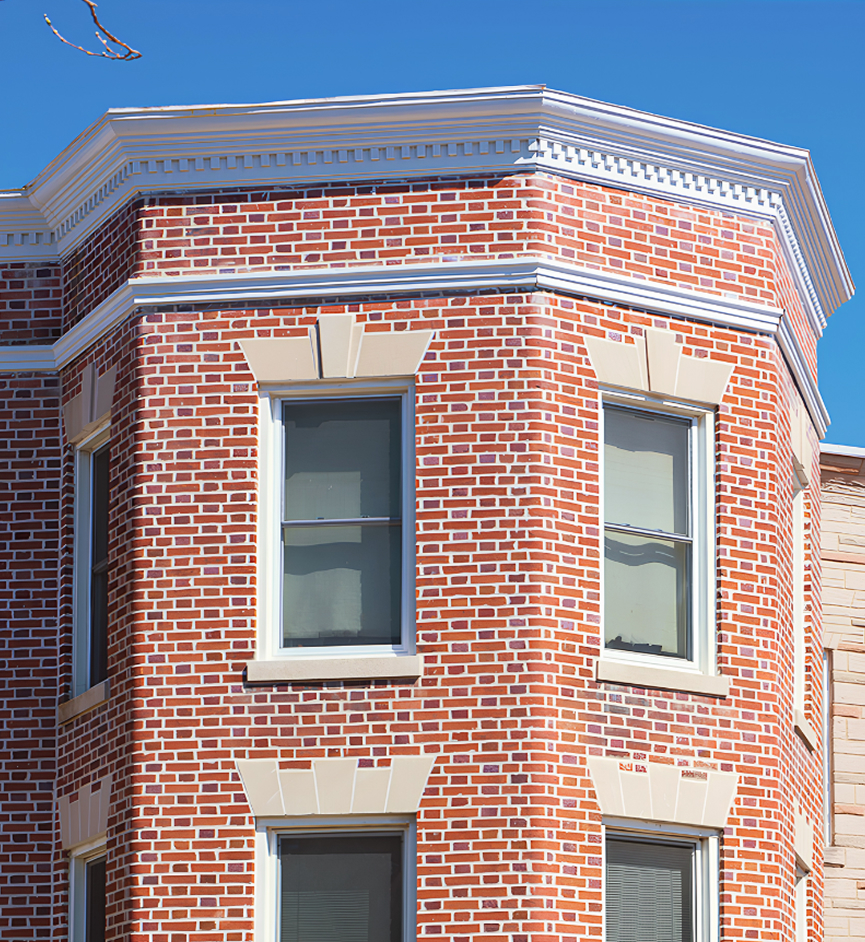
Historic Masonry Specialists
Tuckpointing, Brick Restoration, & Mortar Repair in Washington, DC
Protect your home from water damage and structural problems. Renaissance Development repairs and restores historic masonry with a careful, preservation-minded approach that will both enhance and protect your building’s appearance and durability.


01
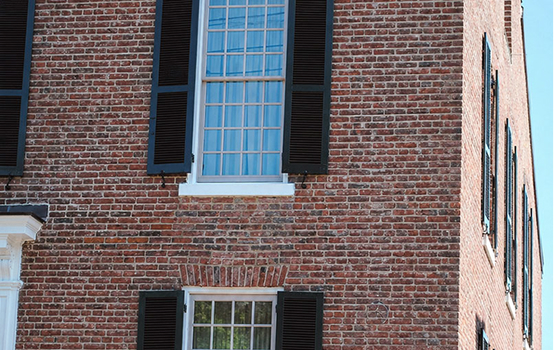
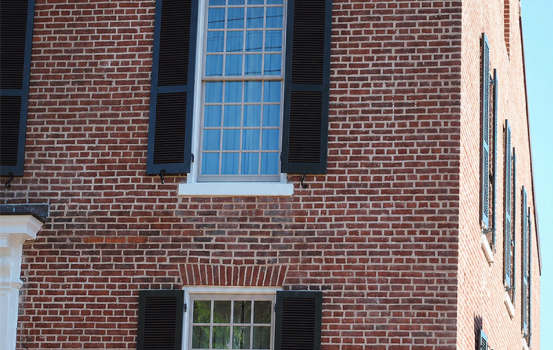
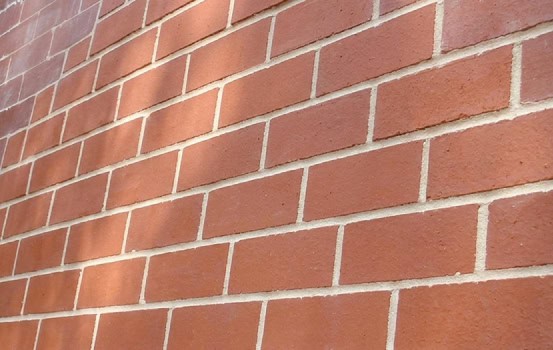
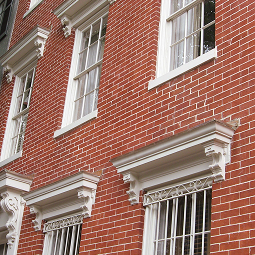
Tuckpointing & Mortar Restoration
Tuckpointing and mortar restoration dramatically improve a building’s appearance and structural integrity.
02
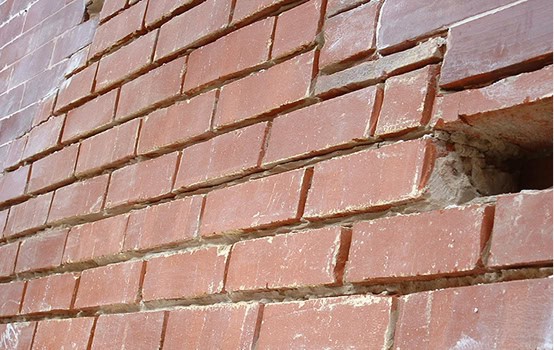
Brick Repair & Historic Brick Restoration
Repair cracked, loose, spalled, or deteriorating brick and restore damaged areas so the masonry looks sound, stable, and cohesive.
03
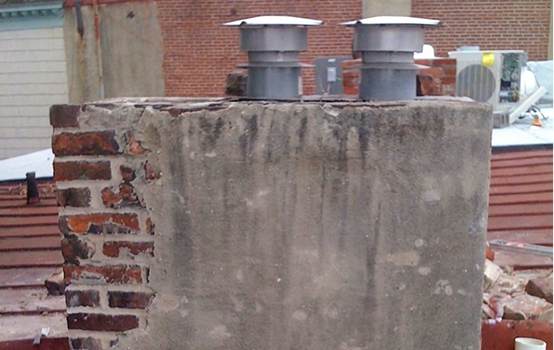
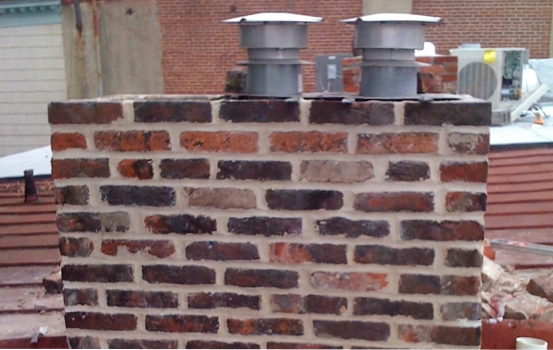
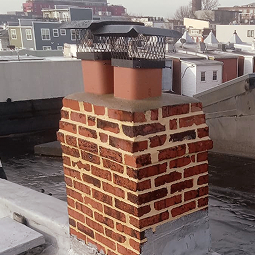
Chimney Repair & Chimney Tuckpointing
Address failing chimney mortar, damaged brick, and visible deterioration before leaks and weather exposure lead to larger masonry problems.
04
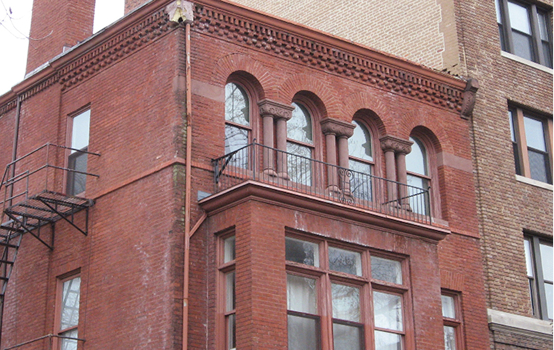
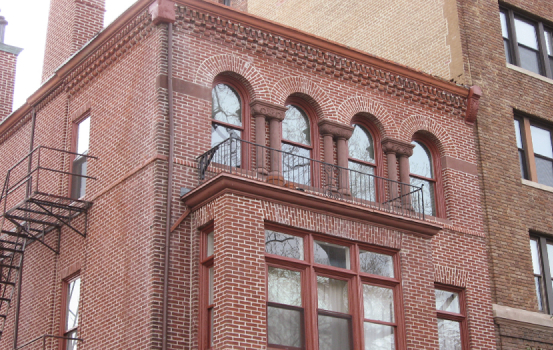
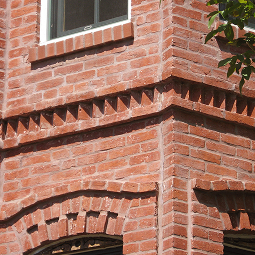
Historic Masonry Restoration
Restore aging masonry using repair methods suited to older brick homes, helping preserve both the building's performance and character.
05
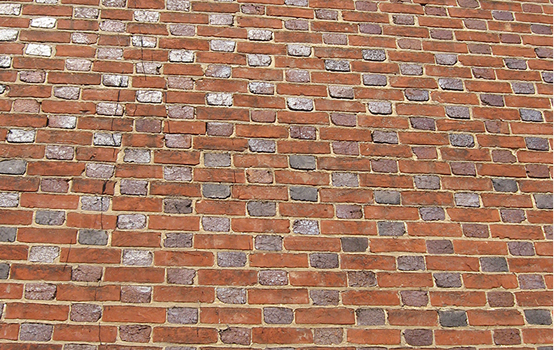
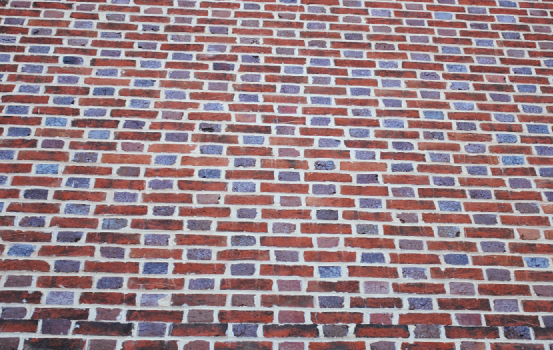
Targeted Repairs for Leaks, Cracks & Wall Deterioration
Address leaking brick walls, facade cracking, recurring moisture, and visible masonry distress with repairs focused on the source of the problem.
06
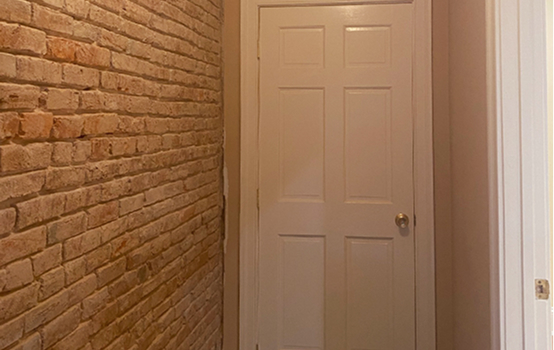
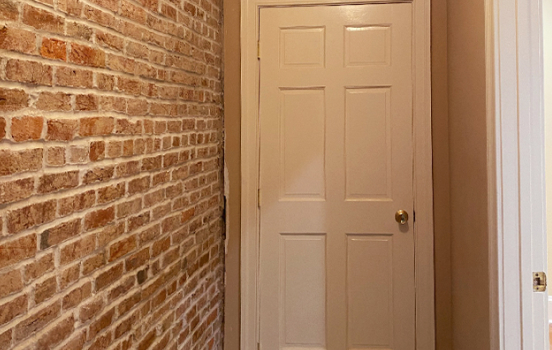
Interior Masonry Restoration
Protect the beauty and stability of your home’s interior brickwork with preservation-minded masonry restoration for exposed brick walls, basements, chimneys, and moisture-damaged historic masonry.
The Problem + Why It Matters
Small Mortar Problems Can Lead to More Extensive Damage
Many homeowners first notice masonry problems as a cosmetic issue: cracking, recessed mortar joints, or staining on brick façades. When mortar begins to fail, moisture can enter walls and penetrate the building’s interior, which leads to larger structural problems
This is why timely and holistic mortar repair matters. Whether it is called tuckpointing or repointing, replacing deteriorated mortar with the appropriate material and repairing damaged bricks will help protect the wall, extend the life of the building, and enhance the appearance of your home.
Common Warning Signs:
Crumbling, missing, or recessed mortar joints
Open or failing joints allow water to enter brick walls, one of the clearest signs that tuckpointing may be required.
Cracks in mortar joints adjacent to windows, doors, or along rooflines
Cracking mortar in these areas can signal larger structural issues that need to be addressed.
Loose, shifting, or deteriorating bricks
Loose bricks generally indicate that mortar is no longer holding the masonry wall together properly, another signal that tuckpointing is needed.
White staining, dark streaks, or damp interior walls
These are common signs of moisture intrusion which is often related to failing mortar or damaged bricks.
Spalling, flaking, or broken brick faces
When bricks begin to fail, in usually means that moisture is penetrating the masonry walls.
Chimney deterioration
Missing mortar and loose bricks on chimneys are strong signs that tuckpointing is needed.
Additional Services
Exterior Masonry
In addition to tuckpointing, Renaissance Development also builds and restores patios, walkways, retaining walls, and steps. We have completed hundreds of exterior masonry projects throughout Washington, DC and Old Town Alexandria.
01
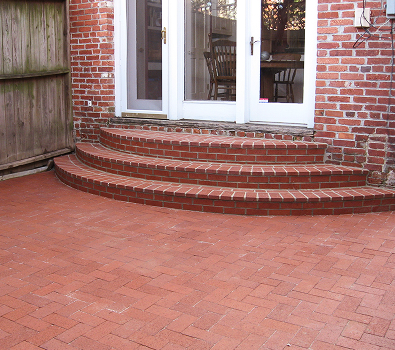
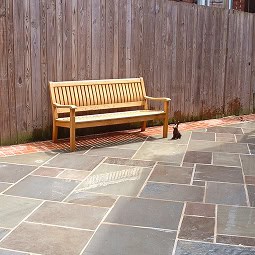
Patios
Even renovated properties often have yards containing a hodge-podge of overgrown plants and mismatched paving materials. These spaces are aesthetically unappealing, uninviting, and difficult to use. They can, however, be transformed into inviting exterior rooms that significantly expand a home’s living space into the outdoors.
02
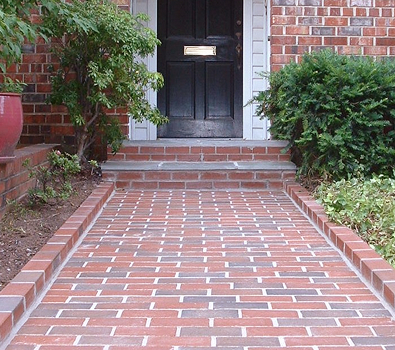
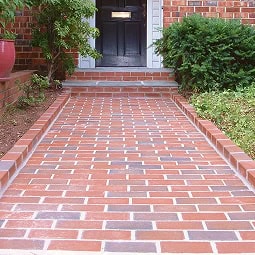
Walkways
The first impression of a house is established by the space in front of it. Even the most beautiful buildings won’t look their best when preceded by crumbling or hazardous passageways. Walkways constructed of historically appropriate materials—brick, stone, or concrete—create an elegant welcome for residents and visitors alike.
03
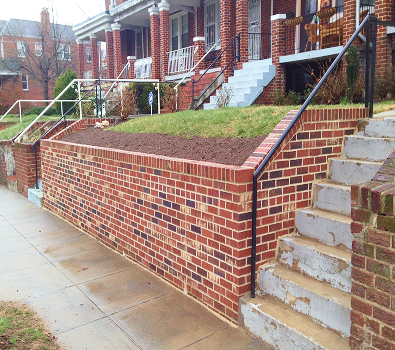
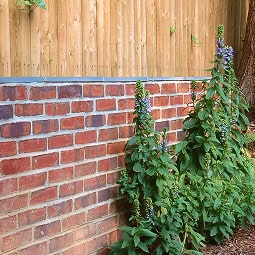
Retaining Walls
Urban gardens frequently have retaining walls that demarcate public and private spaces, make transitions between levels, as well as prevent soil erosion and water runoff. Crumbling retaining walls are both unsightly and unsafe. Retaining walls constructed utilizing modern building methods and finished with historically appropriate materials both enhance and complement both house and garden.
04
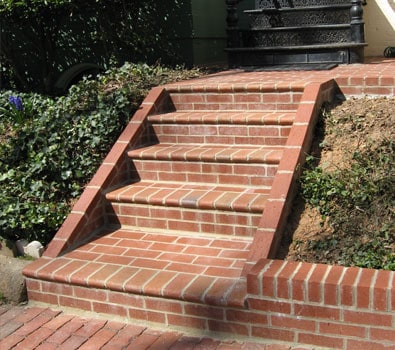
Steps
Steps provide a transition between interior and exterior as well as from top to bottom. Multi-story structures make steps an essential aspect of urban neighborhoods. Our steps conform to modern building codes yet are faced with historically appropriate materials, making them both useful and beautiful.
Why Proper Repair Matters
Why the Appropriate Masonry Restoration Matters With Older Brick Buildings Including Houses, Apartments, and Commercial Structures

Older brick buildings require a specialized and careful restoration strategy
Incorrect mortar or inadequate repair methods can create new problems as well as aggravate existing conditions. A repair that may appear acceptable at first will likely fail to address the structural issues common in deteriorating masonry walls.
Effective masonry restoration requires a thorough understanding of historic buildings and their particular characteristics
Good masonry restoration is not just about filling mortar joints. It is about understanding how historic walls are constructed, how moisture can penetrate them, and how new materials interact with the building’s original structural elements. This holistic approach is essential for thorough and long-lasting masonry restoration.
Expert masonry restoration requires a combination of detailed knowledge and exceptional implementation
At Renaissance Development, we approach historic brick buildings with a thorough understanding of materials, structural elements, and restoration practice which include the finest craftsmanship.
Why Renaissance Development
Why Homeowners Choose Renaissance Development
Building owners who care about both appearance and long-term stability deserve far more than haphazard repairs. They need an experienced, proven company that understands historic masonry and provides exceptional restoration results.
Our Top Differentiators:
Unparalleled Experience
Renaissance Development is well known and widely respected for its exceptional work with historic brick buildings over the past two decades.
A Preservation-Minded Approach
Renaissance Development treats historic buildings with the utmost respect, which is clearly demonstrated in completed projects that demonstrate improved appearance and enhanced structural integrity.
Careful Attention to Every Detail
Quality masonry restoration should not appear to be an obvious patch that is incompatible with original brickwork. We pay careful attention to every detail to ensure optimal appearance and structural integrity. This includes selection of mortar color and joint profiles which bring out the best character in historic brick walls.
Outstanding Professionalism on Every Project from Start to Finish
Building owners want a smooth and problem-free experience. We provide clear communication, excellent customer service, respectful work practices, and careful treatment of buildings as well as adjacent properties throughout the course of the project.
Service Areas
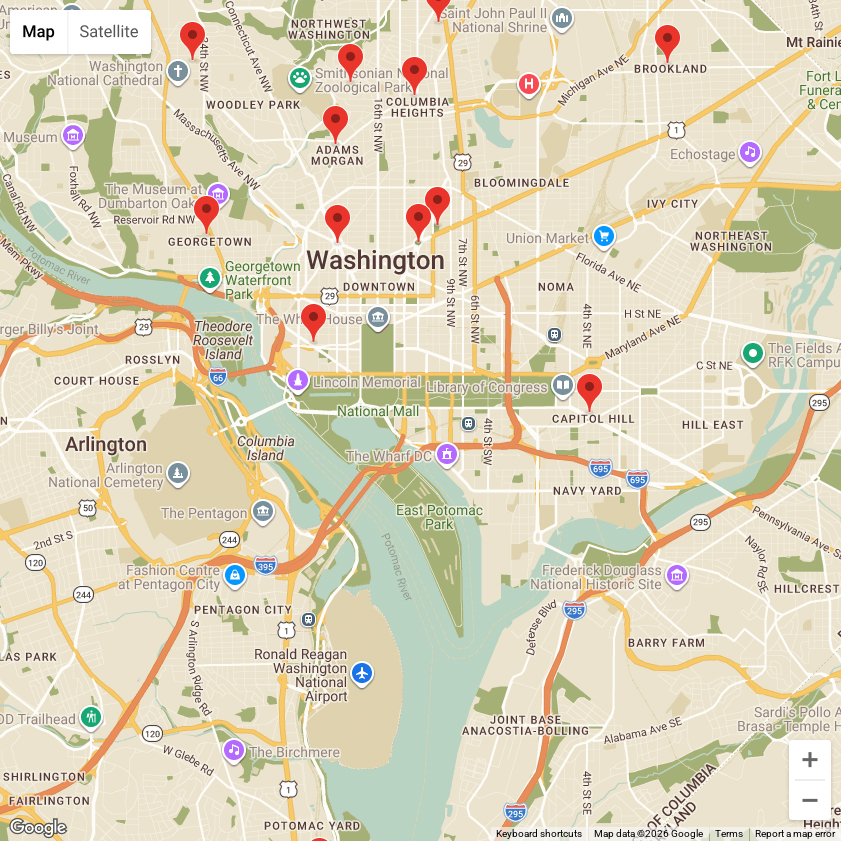
Serving Washington, DC, and Old Town Alexandria
Renaissance Development proudly serves homeowners and commercial clients throughout Washington, DC and Old Town Alexandria, Virginia, with a strong focus on the area’s most historic structures. Single family rowhouses, as well as large apartment or commercial buildings, receive expert attention that is tailored to fit the needs of all our clientele.
The Renaissance Development Process
Our Process
We make the repair process understandable and straightforward, so homeowners know what is being repaired, why it matters, and what to expect.
Evaluate the Masonry
We carefully inspect historic walls to identify their condition, with particular attention to how moisture or structural issues are affecting the building.
Recommend the Appropriate Scope of Work
After on-site evaluation, clients received a detailed written proposal including scope of work and project implementation strategy.
Obtain Building Permits
Acquisition of all required permits is an essential step for any masonry restoration project.
Prepare and Protect
Before project commencement, building and adjacent areas are carefully protected, including landscaping as well as any adjacent structures potentially impacted by the project.
Complete Comprehensive and Meticulous Restoration Work
We execute all masonry repairs with careful attention to detail and utilizing superb craftsmanship.
Review the Results
At the end of every job, we conduct a thorough walk-through with clients to ensure all questions and concerns have been addressed.
Reviews
Trusted by Owners Who Cherish Their Historic Properties
Clients of all types, from homeowners to commercial entities, come to us when historic masonry expertise is required.


The Renaissance Difference, In Our Clients’ Words
Frequently Asked Questions
Common Questions
About Tuckpointing & Brick Repair
What is tuckpointing?
Tuckpointing—or repointing—describes the restoration and preservation of brick buildings by removing the deteriorated mortar between masonry joints and replacing it with historically appropriate mortar. If done correctly, tuckpointing will ensure the structural integrity, longevity, and value of historic masonry buildings.
How do I know if I need mortar repair?
Common signs of failure include cracked or missing mortar, chalky debris on brick faces, loose bricks, spalling bricks, and damp interior walls. If the mortar looks worn, recessed, or uneven, it is important to have it evaluated by a skilled masonry professional.
Can failing mortar cause a brick wall to leak?
Yes. Deteriorating mortar joints allow water to enter the wall. Homeowners searching a solution for this problem ultimately need masonry restoration at the source of water intrusion.
Do you provide free estimates?
Yes. All estimates are provided free of charge. In addition, we are fully equipped to answer any questions you have about your historic house, even if it is not directly related to masonry. Our sales associates are well versed in all aspects of older buildings and will gladly address any general questions you might have.
Do you provide references?
Yes. Renaissance Development has completed hundreds of projects during the past two decades. We have scores of satisfied clients who are more than happy to share their positive experience with us.
Why do older buildings need a special approach?
Historic houses were constructed differently from newer buildings. Brick structures built from the 1700s until the 1920s have load bearing walls consisting only of bricks and mortar. They generally contain no iron, steel, or any other reinforcing structural support. This means that their own weight provides structural integrity. Therefore, historic buildings require a specific approach when restoration work is required.
Do you repair chimneys?
Yes. Chimney repair—which generally requires tuckpointing the entire chimney—is a service we perform regularly.
Do painted brick facades need to be tuckpointed?
Yes. Although paint can mask deteriorating joints, mortar in painted brick walls is also subject to failure. In fact, paint covering faulty joints can make the situation worse, since the membrane created by latex paint can also trap moisture in the wall. We frequently tuckpoint painted facades to ensure their longevity and structural integrity.
How long do tuckpointing projects take to complete?
We calculate our estimates by the square footage of wall surface area. Most older buildings, depending on how many walls are included in the scope of work, can be completed in one to two weeks. Our sales associates can provide a more detailed timeline as part of a project’s evaluation.
Meet The Founder
Led by an Expert in Historic Preservation

Meet Dr. Christina K. Wilson
Renaissance Development was founded in 2004 by Dr. Christina K. Wilson, whose extensive background brings uncommon expertise to the company’s historic preservation efforts. Dr. Wilson holds a doctorate in architectural history from The University of Virginia. Her distinguished career includes work in both museums and universities. In addition to her role as Renaissance’s CEO, she teaches architectural history and theory at The Catholic University of America in Washington, DC.
Dr. Wilson’s combination of academic knowledge and hands-on field experience sets Renaissance Development apart from other companies. This means that any brick restoration project undertaken by the company is guided by a true understanding of historic masonry.
- Founder, President & CEO
- Doctorate in Architectural History
- Preservation-focused leadership for a dedicated staff of over thirty employees
- Extensive knowledge of historic buildings from all periods
- Educator training new generations in architecture and historic preservation
Download Our Brochure
Our brochure provides general background on tuckpointing as well as recommended practices for masonry restoration projects.
Resources
Helpful Information for Owners of Historic Brick Buildings
Renaissance Development’s team has unparalleled expertise in historic structures. In addition to our tuckpointing and exterior masonry services, we are proud to be a trusted educational resource.
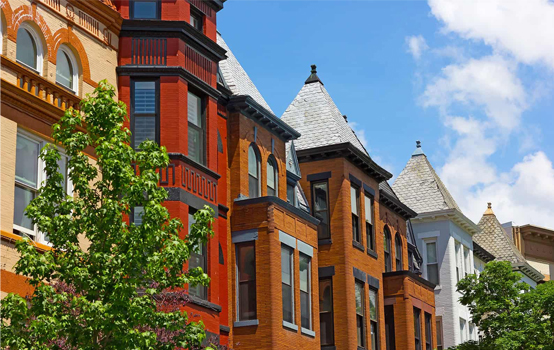
What Is Tuckpointing and When Does a DC Home Need It?
As summer ends in Washington, DC, learn how to spot masonry deterioration, from crumbling mortar to spalling brick, before winter makes repairs more costly.
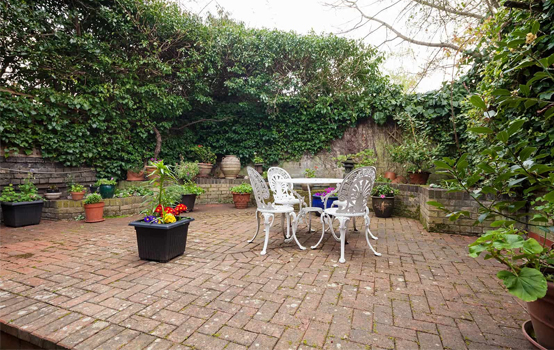
Brick Patios: Creating Summer Retreats in Urban Backyards
Discover how a well-designed brick patio can transform a compact DC backyard into a durable, historically appropriate summer retreat for outdoor living.

Why Summer is the Best Time to Tuckpoint a Historic Brick Home in D.C.
Learn why summer’s warm, dry weather makes it the ideal season to tuckpoint historic brick homes in Washington, DC, before moisture damage worsens.
Restoration • Rejuvenation • Rebirth
Exterior Masonry & Historic Preservation Specialists
Renaissance Development is Washington, DC’s premiere company providing tuckpointing and brick façade restoration. In addition, we build patios, walkways, steps, and retaining walls, elements essential to urban gardens.
Tuckpointing
Masonry Restoration
Chimney Repair
Patios
Walkways
Retaining Walls


